How Nigeria’s Tech Ecosystem Became Africa’s Fastest-Growing Innovation Hub
Nigeria’s Quiet Tech Boom
In 2022, TechCabal reported that technology had contributed more to Nigeria’s GDP than oil, a stunning shift in a country once defined by petroleum. By Q1 of 2023, the tech sector contributed 17.47% to the GDP, up from 16.2% the previous year. The Nigerian tech ecosystem has evolved beyond anyone’s expectations, powered by talent, policy, and the internet.
Digital Culture Meets Opportunity
One of the strongest drivers of this ecosystem is digital adoption. Internet penetration in Nigeria is at an all-time high, and with that comes a generation of tech-savvy youth, the “tech bros,” startup founders, product designers, and developers who’ve embraced digital as a way of life.
The market has responded accordingly. Startups are finding it easier to launch, reach audiences, and gain traction, especially when solving real, everyday Nigerian problems.
Fintech as the Catalyst
A major reason for tech’s rise in Nigeria? Fintechs.
Following the 2008 global financial crisis, public trust in traditional banks faltered. Nigerian fintechs emerged as leaner, faster, and more transparent alternatives. Government policies like the 2011 Cashless Policy and the Payment Systems Vision (PSV) further accelerated digital financial services.
When COVID-19 hit in 2020, it forced businesses to go online. Flutterwave, for instance, launched an e-commerce tool for small businesses to create online stores, turning fintech into a lifeline for Nigeria’s informal economy.
The Giants Behind the Growth
Flutterwave
In 2021, Flutterwave secured $170M in funding, the most ever by an African tech startup. They’ve made online payments seamless for both local and international users, boosting e-commerce adoption and trust.
TechCabal
Africa’s leading tech media company, TechCabal gives visibility to emerging startups, founders, and trends. It’s a key pillar of the ecosystem — shaping narratives and driving interest.
CcHub
As one of Nigeria’s earliest and most iconic innovation hubs, CcHub has nurtured hundreds of startups and developers. It was the first stop on Mark Zuckerberg’s 2016 tour of Nigeria’s tech scene.
Andela
Andela bridges the gap between African tech talent and global companies. By training and placing software engineers, Andela turned Nigeria into an exporter of talent.
Interswitch
Nigeria’s first digital payments infrastructure, Interswitch enabled the use of ATMs and digital payment systems. Like Flutterwave, it has simplified and secured transactions across the country.
Policies That Changed the Game
Government support, often a missing link has helped in surprising ways. The Finance Act 2020, Startup Act 2022, and regulatory sandboxes have made it easier for companies to register, innovate, and scale responsibly.
Nigeria in Numbers
-
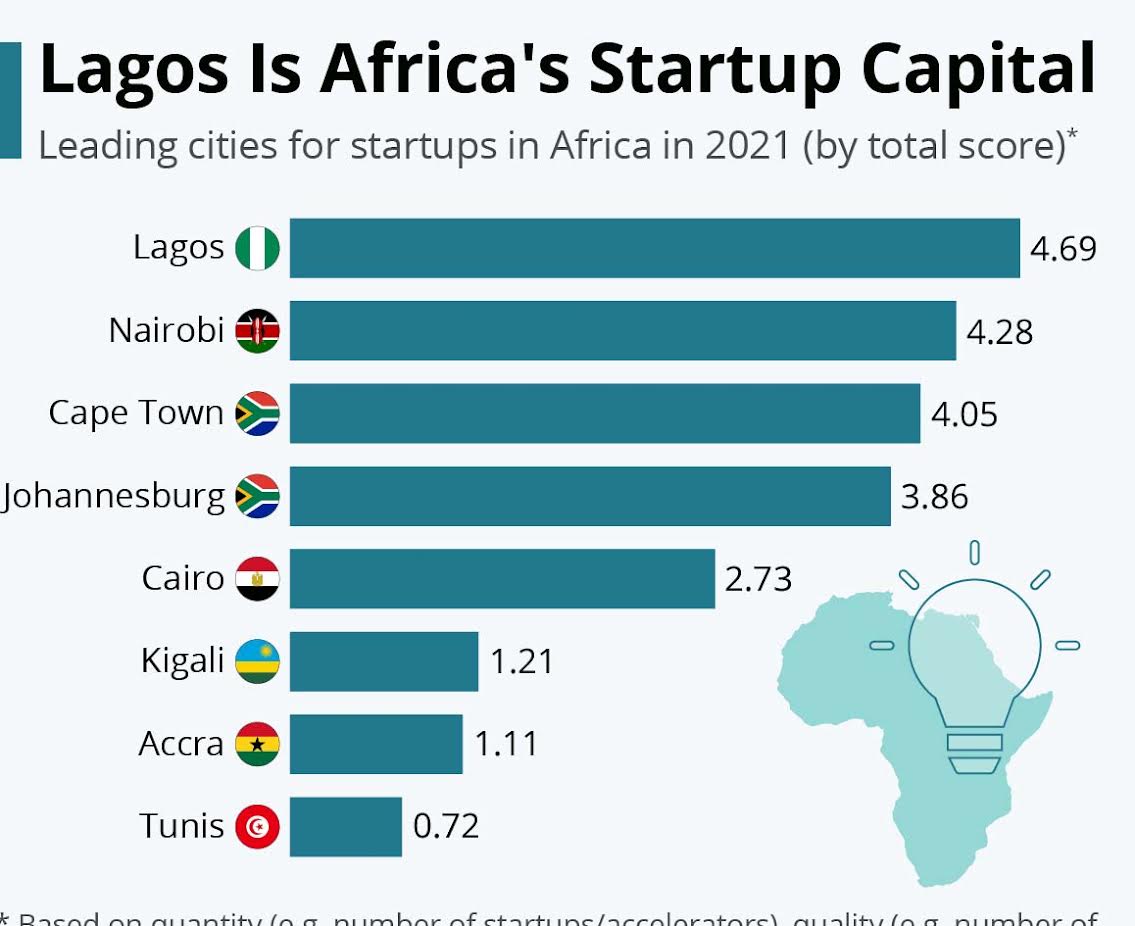
Over 3,360 startups as of 2023 — the most in Africa (Forbes)
-
Number of funded startups grew from 30 in 2015 to 180 in 2022 (PwC)
-
Nigeria raised the most equity funding in Africa in 2022
-
Majority of startups are fintech-focused, making it the fastest-growing subsector
What’s Next for Nigerian Tech?
Nigeria’s tech journey is far from over. With global interest rising, more VC funding flowing in, and a young, creative population eager to solve problems, the ecosystem is poised for even more explosive growth.
The future is digital and Nigeria isn’t just keeping up. It’s leading.

Victoria Ogunwemimo
Marketing & Brand Strategist
I’m a 360° marketing and content strategist with a focus on content-driven growth. I create and execute full-funnel marketing strategies across content creation, content writing, email marketing, social media, PR, and brand storytelling. Whether it’s crafting compelling campaigns or building communities online, I help brands connect with the right audience and convert engagement into action
View author profile